We design and build virtual reality games and immersive experiences for Meta Quest, PC VR, PlayStation VR2 and Apple Vision Pro. From a first playable prototype to a full multiplayer release, our London-headquartered team uses Unity and Unreal Engine to create VR that feels natural, performs smoothly and keeps players coming back.
- London HQ, UK-hours collaboration
- Unity and Unreal Engine
- NDA and full IP ownership
A London VR development team that builds for presence, not just pixels
Great VR is about presence: the moment a player forgets they're wearing a headset. Getting there takes more than impressive graphics. It needs intuitive hand interactions, comfortable movement, rock-solid frame rates and gameplay designed for a 360-degree world.
Fulminous Software works with London studios, publishers, brands and businesses to plan, build and launch VR games and experiences. We handle game design, 3D art, development, optimisation, testing and store submission, so you have one team accountable from concept to launch day.
Building for flat screens too? See our game development services in London.
Our VR game development services
End-to-end virtual reality development, or specialist support for your existing team.
VR game development
Action, puzzle, simulation, sports, horror and casual VR games, designed around hand tracking, motion controllers and room-scale play.
Multiplayer and social VR
Online co-op and competitive VR with matchmaking, voice chat, avatars and networked physics.
VR prototypes and vertical slices
A playable proof of concept to test your idea, pitch to publishers or secure funding.
VR training and simulation
Safe, repeatable training for healthcare, construction, manufacturing, energy and public services, with progress tracking.
Immersive brand experiences
VR activations for London events, launches and exhibitions, plus virtual showrooms and tours.
Mixed reality development
Experiences that blend digital content with the real world on Meta Quest and Apple Vision Pro.
VR porting and optimisation
Bringing existing games to VR or between headsets, and fixing frame-rate, comfort and performance issues.
3D art and environments
Characters, environments, animation and VFX optimised for the strict performance budgets of VR.
Live operations and support
Updates, new content, analytics, bug fixes and headset compatibility after launch.
VR platforms and engines
We recommend platforms and tools based on your audience, budget and visual ambitions.
| Platform | Best for | Distribution |
|---|---|---|
| Meta Quest (standalone) | The largest consumer VR audience; games, fitness, social and training | Meta Horizon Store, App Lab-style early access, enterprise deployment |
| PC VR (SteamVR) | High-fidelity visuals and enthusiast players | Steam |
| PlayStation VR2 | Console players and premium experiences | PlayStation Store |
| Apple Vision Pro | Spatial and mixed reality experiences for premium audiences and businesses | App Store (visionOS) |
| Enterprise headsets | Training and simulation deployed to staff | Private or managed deployment |
Unity
Our usual choice for standalone headsets, training and fast iteration, with strong cross-platform support.
Unreal Engine
Ideal for photorealistic PC VR and console projects that need cinematic visuals.
OpenXR
An open standard that helps one project run on multiple headsets with less rework.
Comfortable, high-performance VR
Poor performance in VR isn't just annoying; it can make players feel unwell and leads to refunds and bad reviews. We treat comfort and performance as core requirements from day one.
Every build is playtested on real headsets, and we profile performance throughout development rather than leaving optimisation to the end.
- Stable frame rates matched to each headset's refresh rate
- Comfort options: teleport, snap turning, vignetting and seated play
- Natural hand tracking and controller interactions
- Spatial audio that guides players around the scene
- Accessibility settings for height, handedness and subtitles
- Optimised art, lighting and draw calls for standalone hardware
Our VR game development process
A staged process with a playable build at every milestone, so you can feel progress in the headset.
Concept and discovery
Audience, platforms, core loop, scope and budget agreed up front.
Game design
Mechanics, interactions, levels and comfort approach documented and storyboarded.
Prototype
A playable greybox to test the fun and comfort before full production.
Production
Art, animation, audio, gameplay and multiplayer built in sprints with regular headset demos.
Testing and optimisation
Playtesting, performance profiling and device compatibility checks.
Launch
Store submission to Meta, Steam, PlayStation or Apple, plus marketing assets.
Post-launch
Patches, new content, analytics and community-driven improvements.
How much does VR game development cost in London?
Indicative ranges. Your quote depends on content volume, art style, platforms, multiplayer and interaction complexity.
| Project type | Typical cost | Typical timeline |
|---|---|---|
| VR prototype or proof of concept | £15,000 – £40,000 | 6 – 12 weeks |
| VR training simulation or brand experience | £40,000 – £100,000 | 3 – 6 months |
| Commercial VR game (single platform) | £100,000 – £250,000 | 6 – 12 months |
| Multi-platform or multiplayer VR game | £250,000 – £500,000+ | 9 months or more |
Prices exclude VAT. Many games made in the UK may qualify for the Video Games Expenditure Credit (VGEC); check eligibility with a specialist adviser.
Have a VR idea you want to test?
Start with a playable prototype. Tell us your concept and we'll suggest the right headset, engine and a clear budget for a first build.
VR beyond gaming
The techniques behind great VR games also power training, sales and education for London businesses.
Healthcare
Procedure training, patient education and therapeutic experiences.
Construction and property
Site safety training and walk-throughs of buildings before they're built.
Retail and brands
Virtual showrooms, product demos and event activations.
Education
Interactive learning that brings history, science and skills to life.
Engineering and energy
Hazardous-task rehearsal and equipment training without the risk.
Tourism and culture
Virtual tours and immersive storytelling for venues and attractions.
Read more in our guide to AR and VR app development for UK businesses.
Game projects from our portfolio
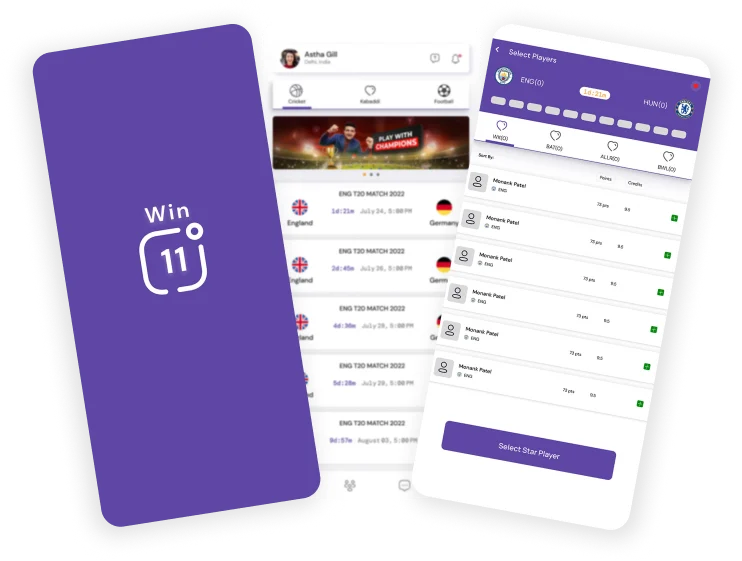
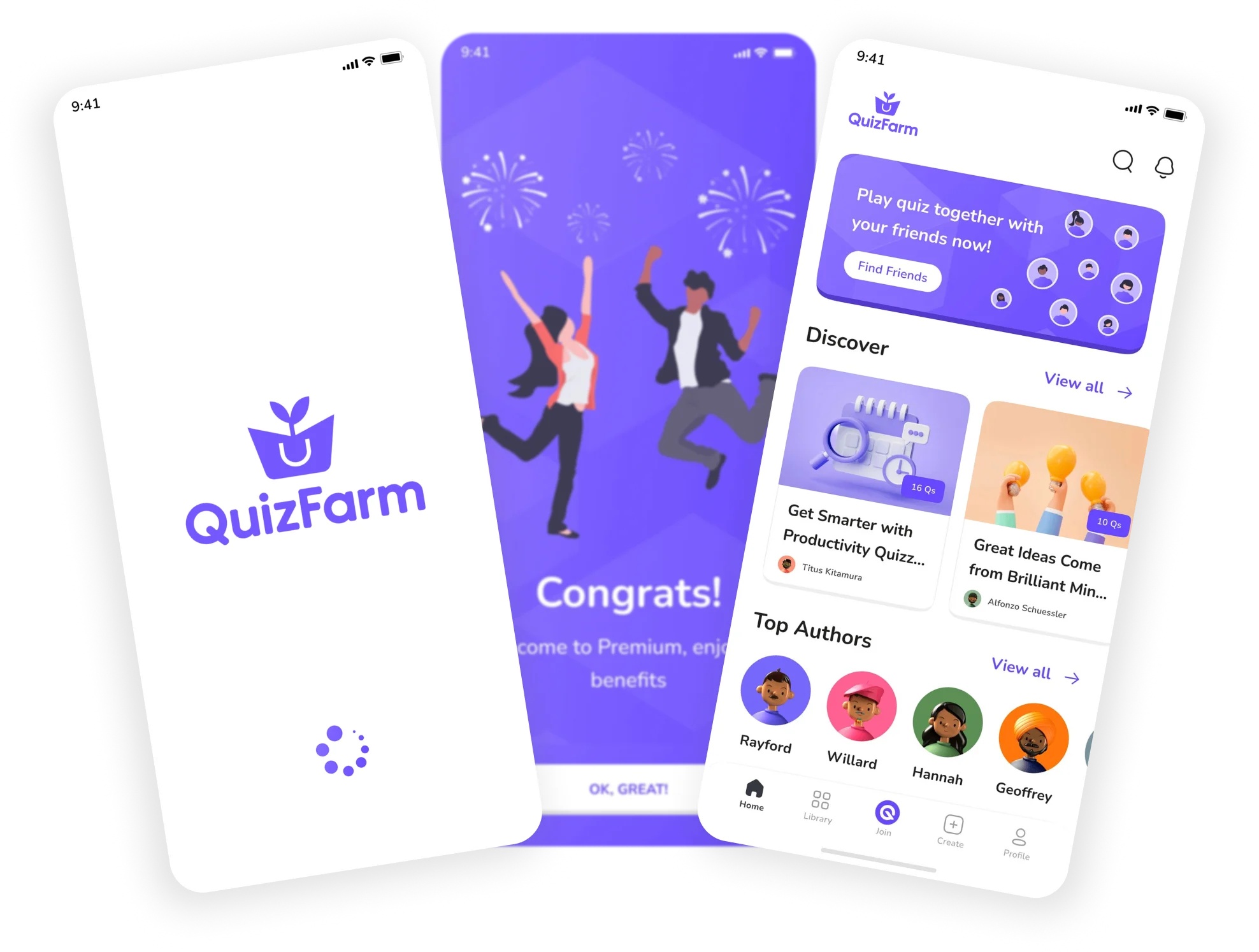
A selection of games our team has designed and built. Ask us about VR-specific work during your consultation.

Why work with Fulminous Software on VR
London-headquartered
Based in London since 2018, with project management during UK hours and the option to meet in person.
Prototype first
We prove the fun and comfort in a headset before you commit to full production.
One team, end to end
Design, art, development, QA and launch support under one roof.
Engine-agnostic advice
Unity or Unreal, recommended for your project, not our habits.
Transparent GBP pricing
Itemised quotes and milestone-based payments.
You own your game
Full source code, assets and IP transferred to you.
Need to grow your own studio team instead? Hire game developers in London.
VR game development FAQs
How much does VR game development cost in London?
As a guide, a VR prototype or proof of concept typically costs £15,000 to £40,000, a VR training simulation or branded experience £40,000 to £100,000, and a full commercial VR game £100,000 to £500,000 or more. Cost depends on content, art style, platforms, multiplayer and the level of interaction.
Which VR headsets do you develop for?
We develop for standalone headsets such as Meta Quest, PC VR through SteamVR, PlayStation VR2 and mixed reality devices including Apple Vision Pro. Using OpenXR where possible makes it easier to support more than one headset from a single project.
Do you use Unity or Unreal Engine for VR?
Both. Unity is often the best fit for standalone headsets, training simulations and fast development. Unreal Engine suits high-fidelity PC VR and console projects. We recommend the engine after understanding your goals, platforms and visual ambitions.
How long does it take to develop a VR game?
A VR prototype typically takes 6 to 12 weeks. A training simulation or branded VR experience usually takes 3 to 6 months, and a full commercial VR game can take 9 months or longer depending on scope.
How do you prevent motion sickness in VR?
We design for comfort from the start, with stable frame rates, comfort-friendly movement such as teleportation or snap turning, careful camera control and options players can adjust. Every build is playtested on real headsets before release.
Can VR games qualify for UK tax relief?
Many video games made in the UK can qualify for the Video Games Expenditure Credit (VGEC), which replaced Video Games Tax Relief in 2024. Games must pass the British certification test and meet HMRC conditions, so check your eligibility with a specialist adviser.
Do you build VR for businesses as well as games?
Yes. Alongside VR games, we build VR training simulations, product demos, virtual tours and immersive brand experiences for UK businesses, using the same game engines and techniques.
Will we own the VR game and its source code?
Yes. We sign an NDA before you share details, and full ownership of the source code, assets and design documents is transferred to you on completion.
Related game development services
Let's build your VR game
Tell us about your idea, audience and target headsets. We'll recommend the right approach and send a clear, itemised quote.
Latest Blogs And News
Our offshore IT consulting services along with the AI-powered core helps top companies stay competitive, win new markets and increase shareholder value.