SaaS is ready-made software you rent, usually per user per month, and use in your browser or an app. The provider hosts it, updates it and decides how it works. Examples include accounting, CRM, HR and project management tools.
UI/UX design for an app in the UK typically costs £3,000 to £10,000 for a simple app or MVP, £10,000 to £30,000 for a medium-complexity business app and £30,000 or more for complex and enterprise apps. Design usually accounts for around 12 to 18% of a typical app's total budget.
Salesforce's small business plans start at £20 per user per month for Starter Suite and £80 per user per month for Pro Suite, excluding VAT. But licences are only part of the bill. Set-up, add-ons, support and integrations can change your real cost considerably.
We've been recognised by Best Companies London as a Recommended business in their listing of top software companies in London for 2026. It's the kind of thing worth pausing on, so this post covers what the recognition actually is, who's behind it, and — since you're here — a proper look at what Fulminous Software does day to day.
2026 has turned into a defining year for UK technology. Artificial intelligence has moved from pilot projects into everyday operations, cloud and cybersecurity budgets are climbing, and software development, digital transformation and other emerging technologies are reshaping how British businesses compete. That momentum shows up most clearly at the country's technology events, where the year's biggest ideas get tested in public.
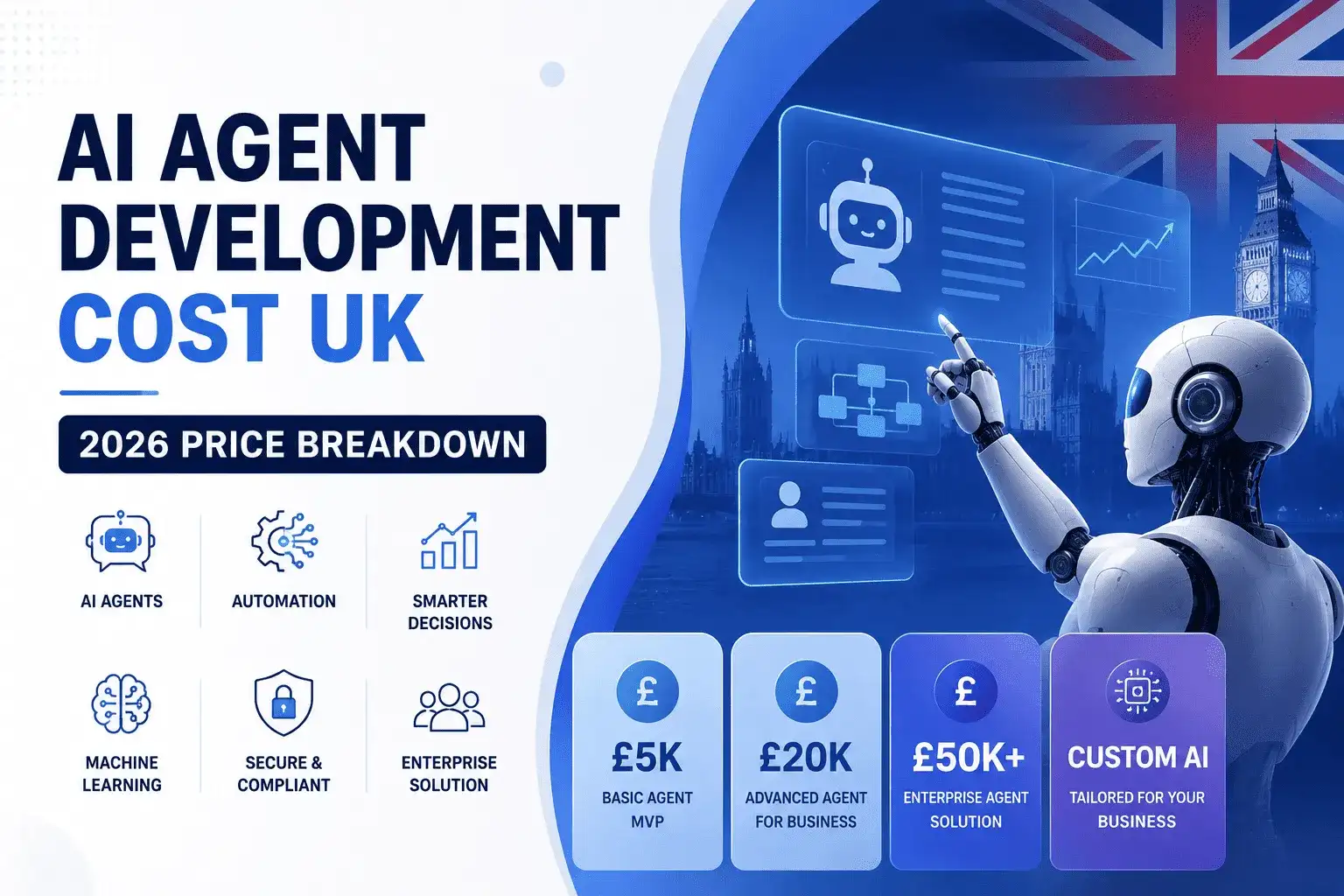
An AI agent is software that uses a large language model as its "brain" to pursue a goal reasoning about what to do, using tools and APIs to act, and adapting based on results. Where a chatbot responds, an agent does: it can look something up, update a record, send a message, call another system, and decide the next step.
Every September, the world's consumer technology industry converges on Berlin. IFA the Internationale Funkausstellung is where the biggest brands, boldest startups and most influential retail buyers reveal what's coming next, often before it reaches the shops. For 2026, the show marks its 102nd edition, and after a 2025 run that drew around 220,000 visitors from 140 countries, the 2026 event is shaping up to be one of the most AI-defined yet.
Meta and Reliance will build a 168 MW AI-enabled data centre in Jamnagar, Gujarat — Meta's first built-to-suit capacity in India, backed by roughly 1 GW of contracted renewables and cooled with desalinated seawater. Here is what the deal commits to, why Jamnagar, and what in-country Indian AI compute changes for UK and Indian technology teams.
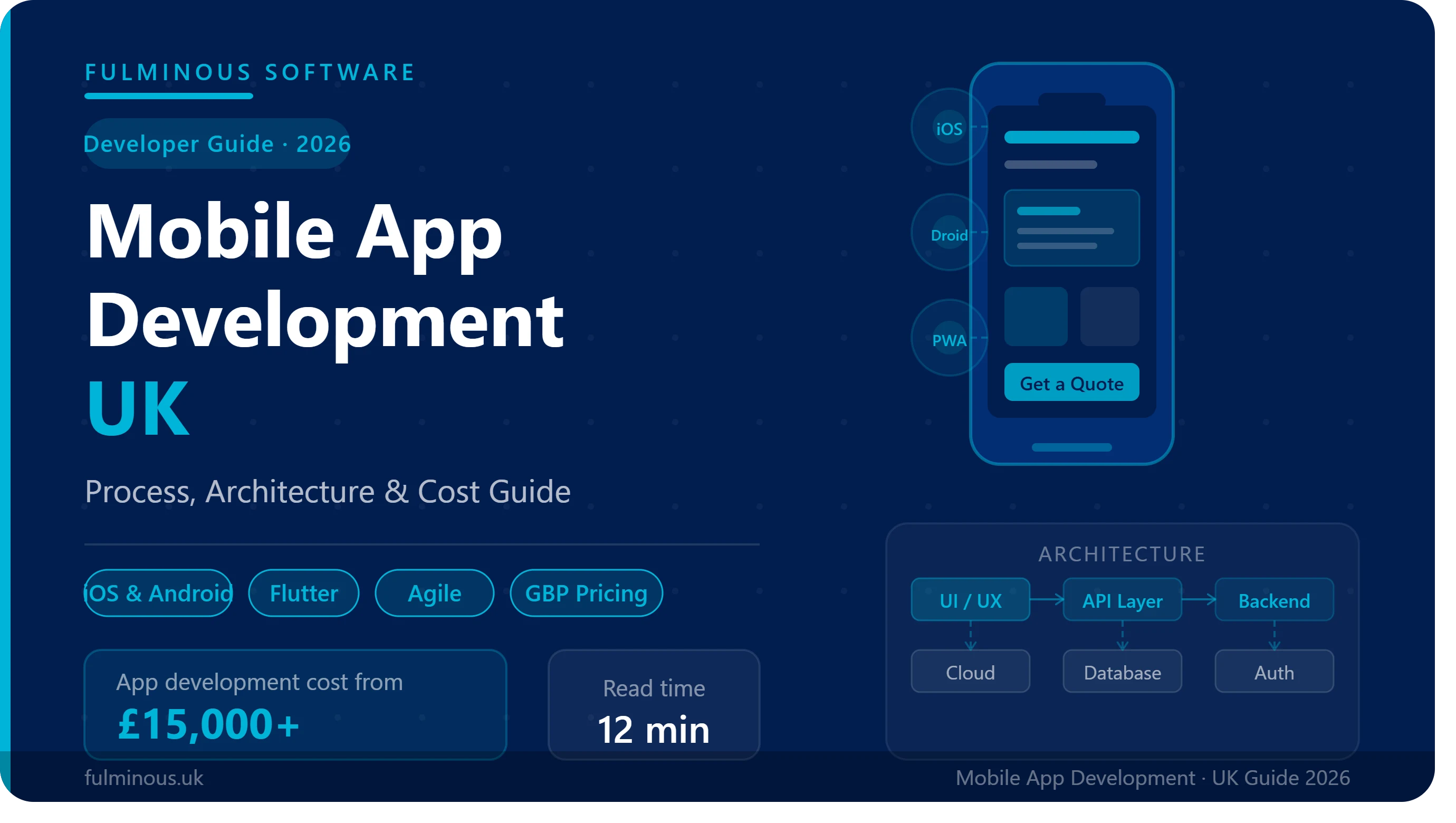
Mobile app development is one of the most searched - and most misunderstood - technology investments for UK businesses. Two agencies can look at the same project brief and return quotes of £25,000 and £200,000. Both can be entirely legitimate, because they are proposing fundamentally different solutions, teams, timelines, and approaches. Understanding why those numbers differ is what separates businesses that get excellent mobile apps for a fair price from those that overpay, underspecify, or end up with something that does not work.
View blogs by category