We build progressive web apps for Northern Ireland businesses: fast, installable web apps that work on iPhone, Android and desktop from a single codebase, keep working on poor connections and can send push notifications. A PWA gives you an app-like experience at a lower build and maintenance cost than separate native apps.
- One codebase for every device
- Offline-ready and installable
- Built for Core Web Vitals
- You own the code
What is a progressive web app?
A progressive web app (PWA) is a website built to behave like an app. Customers open it from a link or search result, then add it to their home screen in a couple of taps. It loads quickly, works offline or on weak signal, and can send push notifications, with no app store download needed.
Because a PWA is built once with web technology, you avoid paying for separate iOS and Android apps and maintaining two codebases. And because it's still a website, its pages can be found in Google search.
For a deeper introduction, read our guide to PWA development in Northern Ireland.
Why Northern Ireland businesses choose PWAs
- Lower costOne codebase for iPhone, Android and desktop, so one build and one set of updates.
- Works offlineCached pages and data keep the app usable for field teams and customers in rural areas.
- Fast loadingService workers and caching make repeat visits load quickly.
- No app store frictionCustomers install from the browser in a couple of taps.
- SearchablePages can be indexed by Google, unlike content inside native apps.
- Instant updatesChanges go live without waiting for app store reviews.
Our PWA development services
From adding PWA features to an existing site to building a complete web app.
Custom PWA development
New progressive web apps designed around your users, built with React, Next.js, Vue or Angular.
Website to PWA conversion
Manifest, service worker, offline pages and performance work added to your existing site where it makes sense.
Ecommerce PWAs
Fast, installable storefronts with smooth mobile checkout and saved baskets.
Offline-first business apps
Field service, inspections and stock apps that save data offline and sync when back online.
PWA UX and UI design
Mobile-first, accessible interfaces that feel natural on phones and tablets.
APIs and integrations
Connections to CRMs, ERPs, booking, payment and accounting systems.
Push notifications
Permission-based notifications for orders, bookings and reminders, on Android and iOS.
App store packaging
Publishing your PWA to Google Play or the Microsoft Store where it adds value.
Support and optimisation
Monitoring, updates, Core Web Vitals improvements and new features.
PWA vs native app: which is right for you?
PWAs suit many businesses, but not every project. Here's an honest comparison.
| Progressive web app | Native or cross-platform app | |
|---|---|---|
| Codebase | One, for all devices | Separate apps, or one cross-platform app built for stores |
| Build cost | Usually lower | Usually higher |
| Installation | From the browser; no store needed | From the App Store and Google Play |
| Updates | Instant, on the web | Through app store releases |
| Search visibility | Pages indexable by Google | App store search only |
| Device features | Camera, location, notifications and more; some limits, especially on iOS | Full access to device hardware and APIs |
| Apple App Store | Not accepted directly | Yes |
| Best for | Content, ecommerce, bookings, field tools, internal apps | Heavy device use, advanced graphics, app store-led brands |
Need a store-listed app? See our mobile app development in Northern Ireland and cross-platform app development services.
PWAs on iPhone: what to expect
Many Northern Ireland customers use iPhones, so we plan for how PWAs behave in Safari. iPhone users install a PWA by tapping Share, then Add to Home Screen, and since iOS 16.4, web apps added to the home screen can receive push notifications.
Some features, such as automatic install prompts and certain background tasks, work differently on iOS than on Android. We test on real iPhones and Android devices and design around these differences, so everyone gets a reliable experience.
- Clear "Add to Home Screen" guidance for iPhone users
- Push notifications for installed web apps on iOS 16.4 and later
- Fallbacks where a feature isn't supported
- Testing on real iOS and Android devices
Our PWA development process
Discovery
Goals, users, devices, offline needs and integrations agreed.
UX and design
Mobile-first wireframes and prototypes.
Development
Front end, service worker, manifest and features in sprints.
Integrations
APIs, payments and business systems connected.
Testing
Devices, offline mode, accessibility and Lighthouse audits.
Launch
Deployment, monitoring and Core Web Vitals checks.
Improve
Updates and new features based on real usage.
Built for speed and Core Web Vitals
Speed is one of the main reasons to build a PWA, so performance is part of the brief from the start, not a final check. We design and build to meet Google's "good" thresholds for Core Web Vitals and measure them during development and after launch.
Final scores also depend on hosting, third-party scripts and content added later, so we include performance checks in our support plans.
- LCP: fast main content through caching, optimised images and server rendering
- INP: responsive interactions with lean, split JavaScript
- CLS: stable layouts with reserved space for images and embeds
- Modern image formats such as WebP and AVIF
- Lighthouse checks in our build pipeline
Technologies we use
| Area | Technologies |
|---|---|
| Front end | React, Next.js, Vue, Angular, TypeScript |
| PWA features | Web app manifest, service workers with Workbox, Cache Storage, IndexedDB, Push API |
| Back end | Node.js, REST and GraphQL APIs, Firebase |
| Hosting | HTTPS hosting with a CDN, such as AWS, Vercel or Netlify |
| Quality | Lighthouse, PageSpeed Insights, automated tests, real-device testing, WCAG checks |
PWA development pricing
Indicative ranges, excluding VAT. Every project starts with a free consultation and an itemised GBP quote.
| Project | Typically includes | Typical cost | Timeline |
|---|---|---|---|
| Website to PWA | Manifest, service worker, offline page, install support, performance fixes | £5,000 – £15,000 | 4 – 8 weeks |
| Business PWA | Custom design, integrations, offline data, push notifications | £15,000 – £40,000 | 8 – 16 weeks |
| Enterprise PWA | Complex integrations, high traffic, advanced security, dedicated team | £40,000 – £100,000+ | 4 – 9 months |
Comparing with a native app budget? See our guide to mobile app development costs in the UK.
Not sure if a PWA is right for you?
Tell us about your customers and goals. We'll recommend a PWA, a native app or a mix, and explain why.
Who we build PWAs for
Retail and ecommerce
Fast mobile shopping, saved baskets and order notifications.
Hospitality and leisure
Bookings, menus, ordering and loyalty without an app download.
Field services
Job sheets, inspections and photos that work offline.
Healthcare and care
Appointment booking and staff tools with secure access.
Professional services
Client portals, document sharing and approvals.
Internal business apps
Staff tools that run on any device without app store management.
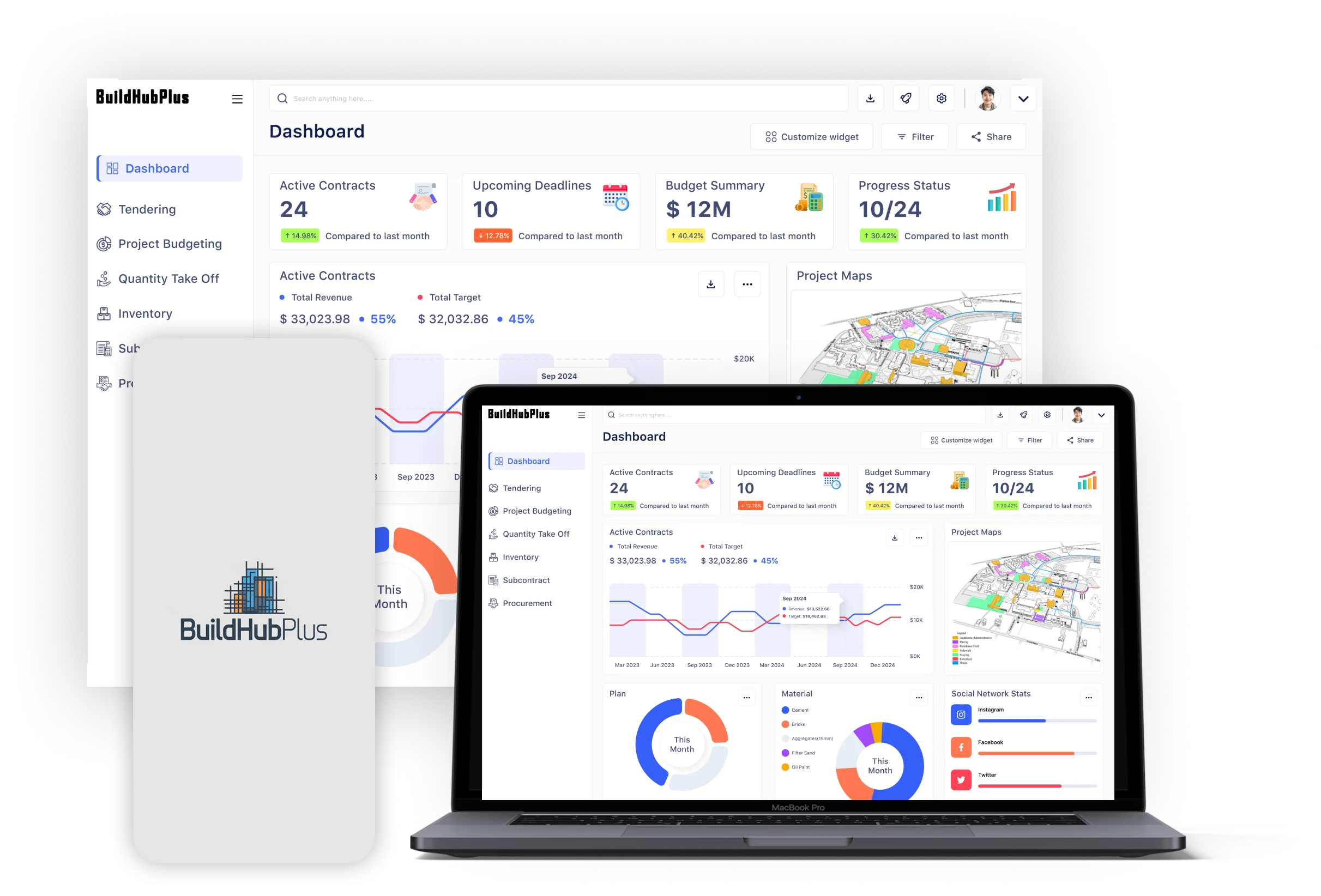
Web platforms from our portfolio
A selection of web and mobile platforms our team has designed and built.


Working with businesses across Northern Ireland
Fulminous Software is headquartered in London and works with Northern Ireland businesses remotely, with video calls, shared project boards and regular demos.
Why choose Fulminous Software for your PWA
Honest recommendations
We'll tell you if a native or cross-platform app suits you better.
Performance built in
Core Web Vitals targets are part of the brief from day one.
Web and mobile under one roof
PWA, native and cross-platform skills in one team.
Itemised GBP quotes
Clear proposals with VAT shown separately.
Visible progress
Two-week sprints with working demos.
You own the code
Source code and documentation handed over to you.
PWA development FAQs
What is a progressive web app (PWA)?
A progressive web app is a website built to behave like an app. It can be installed on a phone's home screen, load quickly using caching, work offline or on poor connections, and send push notifications, all from a single web codebase without needing an app store download.
How much does PWA development cost in Northern Ireland?
As a guide, adding PWA features to an existing website typically costs £5,000 to £15,000, a custom business PWA with integrations £15,000 to £40,000, and a large or enterprise PWA £40,000 to £100,000 or more. Cost depends on features, design, integrations and offline requirements.
How long does it take to build a PWA?
Converting an existing website into a PWA usually takes 4 to 8 weeks. A custom business PWA typically takes 8 to 16 weeks, and complex enterprise PWAs 4 to 9 months, depending on integrations and scope.
Should I build a PWA or a native app?
A PWA is often the better choice when you want one product for all devices, a lower build and maintenance cost, and discoverability through Google search. A native app may be better if you need deep device features, the best possible performance, or a presence in the Apple App Store.
Do PWAs work on iPhones?
Yes. PWAs run in Safari and other browsers on iPhone and iPad and can be added to the home screen. Since iOS 16.4, web apps added to the home screen can receive push notifications. Some features available on Android, such as an automatic install prompt, work differently on iOS, so we design around those differences.
Can a PWA be listed in app stores?
A PWA can be published to Google Play using a Trusted Web Activity and to the Microsoft Store. The Apple App Store does not accept PWAs directly, so iPhone users install them from Safari, or you can build a separate iOS app if an App Store listing is essential.
Will a PWA help my SEO?
A PWA is still a website, so its pages can be indexed by Google, unlike content inside a native app. A well-built PWA can also achieve good Core Web Vitals scores, which form part of Google's page experience signals. Rankings still depend mainly on content quality and relevance.
Can you convert my existing website into a PWA?
Often, yes. We review your current site, then add a web app manifest, a service worker with a suitable caching strategy, offline pages and performance improvements. If the existing site is slow or outdated, a rebuild may give better results, and we'll explain the trade-offs.
Do you work with businesses across Northern Ireland?
Yes. Fulminous Software is headquartered in London and works with businesses across Northern Ireland, including Belfast, Derry/Londonderry, Lisburn and Newry, using video calls, shared project boards and regular demos.
Ready to build your progressive web app?
Tell us about your business, users and goals. We'll recommend the right approach and send an itemised GBP quote.
Latest Blogs And News
Our offshore IT consulting services along with the AI-powered core helps top companies stay competitive, win new markets and increase shareholder value.